Research Projects

Thermal physiology, population ecology, and conservation of fishes across aquatic systems

Great Lakes Coregonid Fishes

Oxythermal Tolerance of Laurentian Coregonid Fishes

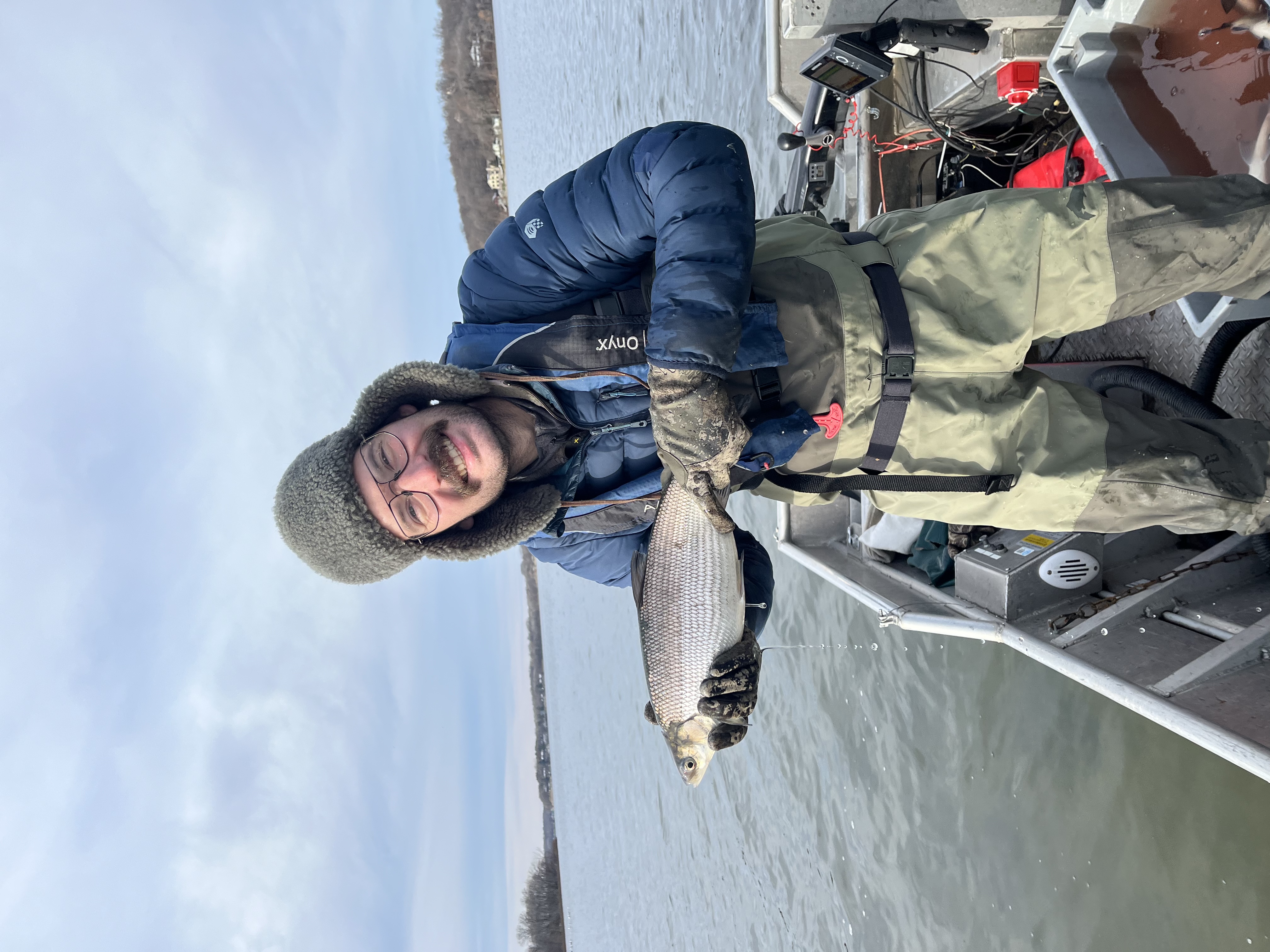
Cisco (Coregonus artedi) and lake whitefish (Coregonus clupeaformis) are ecologically and economically important coldwater species throughout the Great Lakes basin. As climate change drives warmer water temperatures and more frequent hypoxic events, understanding the oxythermal limits of these species — and how those limits vary across ecotypes — is critical for predicting population responses and guiding management.

This project investigates differences in oxythermal tolerance among embryos and larvae of multiple coregonid species and ecotypes. By characterizing the physiological performance curves of early life stages, we aim to build physiologically grounded abundance models that can forecast how populations will respond to changing thermal regimes.

Funded by the University of Minnesota ($231,771) · PI: Dr. Gretchen Hansen · Role: Lead Researcher
Chinook Salmon Research

Interpopulation Variation in Thermal Physiology of Chinook Salmon

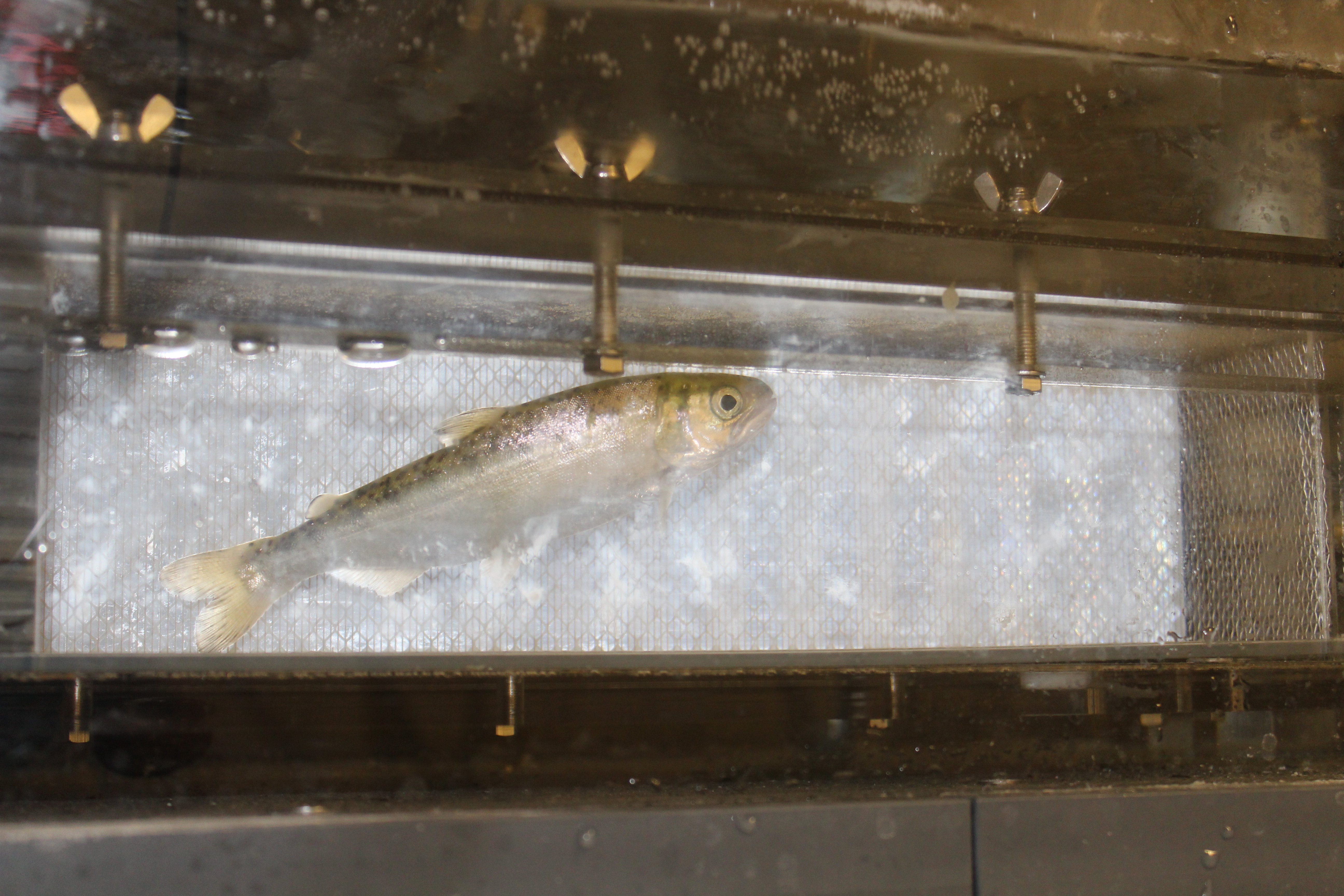
Chinook salmon (Oncorhynchus tshawytscha) exhibit remarkable diversity across California river systems — different seasonal runs, different thermal histories, and increasingly different fates under climate change. My dissertation addressed a fundamental question: are these populations physiologically distinct in ways that reflect local adaptation to their thermal environments?

I designed and conducted one of the largest metabolic experiments ever performed on teleost fishes, measuring aerobic scope, thermal performance curves, and critical thermal maxima across eight hatchery populations spanning the state. This work demonstrated clear interpopulation variation in thermal physiology and provided evidence for local adaptation — with significant implications for how we manage salmon under climate warming.

This work yielded three published papers, a book chapter, and an invited talk at NOAA's Groundfish Seminar Series.

Funded by EPA, CDFW, and Yuba Water Agency (~$444,000) · Advisor: Dr. Nann Fangue

Full Project Page →
Fish-Safe Hydropower Turbine

Fish-Safe Hydropower Turbine

Hydropower is a critical component of renewable energy infrastructure, but conventional turbines impose significant sub-lethal and lethal injury on fish passing through them. A novel fish-safe turbine design offers the potential to dramatically reduce these impacts — but its effects on fish physiology have not been rigorously tested.

This project uses white sturgeon (Acipenser transmontanus) as a model species to quantify the physiological responses to turbine passage, assess rates of sub-lethal injury, and evaluate implications for long-term survival. Two manuscripts are expected from this work.

Funded by the Department of Energy ($875,000) · PIs: Nann Fangue & Kenneth Zillig · Role: Lead Researcher, Grant Author

Antarctic Research at McMurdo Station

Global Change Biology of Antarctic Fishes

Antarctic notothenioid fishes are among the most thermally sensitive vertebrates on Earth — products of millions of years of evolution in one of the most stable cold-water environments on the planet. As the Southern Ocean warms at an accelerating rate, these species face an unprecedented physiological challenge.

Working at McMurdo Station under the supervision of Dr. Anne Todgham (UC Davis), I studied the combined effects of ocean warming and acidification on juvenile notothenioids including Trematomus bernacchii and T. pennellii. This work documented differential temperature preferences, metabolic responses, and behavioral indicators of niche differentiation between species — providing a framework for understanding how Antarctic fish communities may respond to climate change.

NSF Antarctic Program · Advisor: Dr. Anne Todgham · Multiple manuscripts in preparation and review

Feed Restriction Study

Effects of Feed Restriction on Thermal Performance

In drought years, reduced river flows in California's Central Valley concentrate juvenile Chinook salmon in warmer, food-limited conditions simultaneously. How does nutritional stress interact with thermal stress to affect salmon physiology and survival? This is a critical and understudied question for conservation management.

This three-year study combines a 14-week laboratory experiment with an 8-week field study to quantify how feed rationing affects metabolic thermal performance in Chinook salmon. The work will inform bioenergetic models used by water managers to predict salmon survival under drought operations. Two manuscripts are in progress.

Funded by USBR & California Water Board ($749,981) · Advisor: Dr. Nann Fangue · Role: Lead Researcher

Laser Burst Tunnel

Laser-Timed Burst Swimming Tunnel

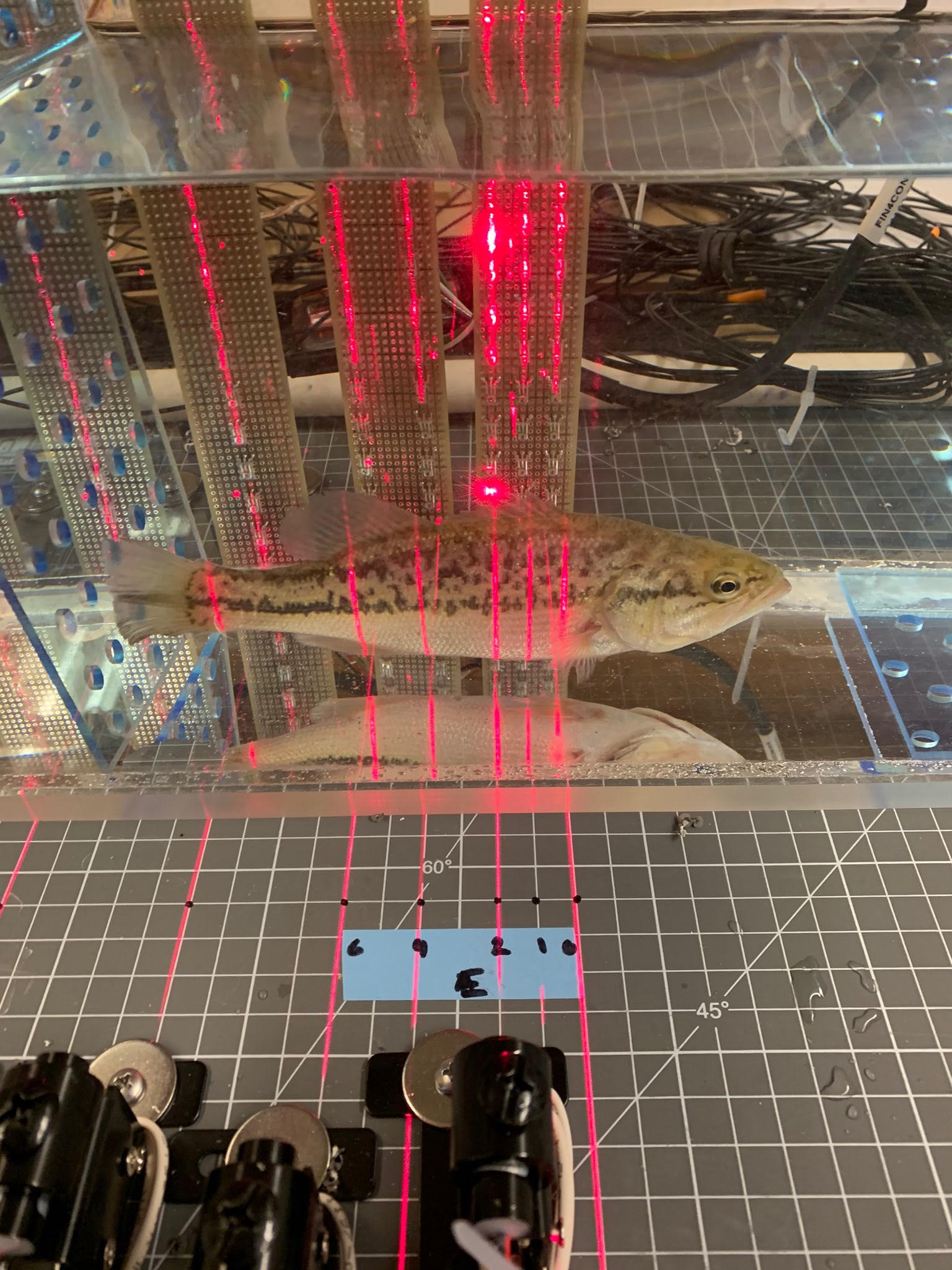
Burst swimming performance — the capacity for short, explosive anaerobic locomotion — is critical for predator escape and prey capture in fish. Yet methods for measuring it precisely and at scale have been lacking. I designed, built, and tested a Raspberry Pi-powered laser-timed burst swimming tunnel that allows rapid, precise quantification of multiple anaerobic performance traits across species and temperatures.

Presented at the International Congress on the Biology of Fishes (2022) and the Society for Experimental Biology (2021, 2nd Prize Poster), this system has since been applied to study predator–prey thermal performance dynamics in juvenile Chinook salmon.

Advisor: Dr. Nann Fangue

Methods Paper (PDF) → Application: McInturf et al. 2022 (PDF) → Full Device Profile →

Interactive Data Explorer

Explore salmon thermal performance data across populations and river systems

Interactive Shiny app coming soon

Replace this placeholder with your ShinyApps.io iframe